WashU Nephrology is proud to celebrate three researchers who have been selected for the 2026 KidneyCure Awards. KidneyCure, a foundation established by the American Society of Nephrology, supports researchers across all career stages to foster innovation and breakthroughs in kidney disease treatment. It is the largest private foundation dedicated exclusively to kidney research in the United States.
Two members of our division – Kenji Matsui, MD, PhD, and Shivani Sharma, PhD – received 2026 Ben J. Lipps Research Fellowships, which provide early‑career investigators with the protected time, resources, and encouragement needed to build meaningful research programs in nephrology. Moe R. Mahjoub, PhD, is an awardee of the KidneyCure Bridge Grant Pilot Program, established in 2025 to keep promising kidney research moving forward during gaps in funding.

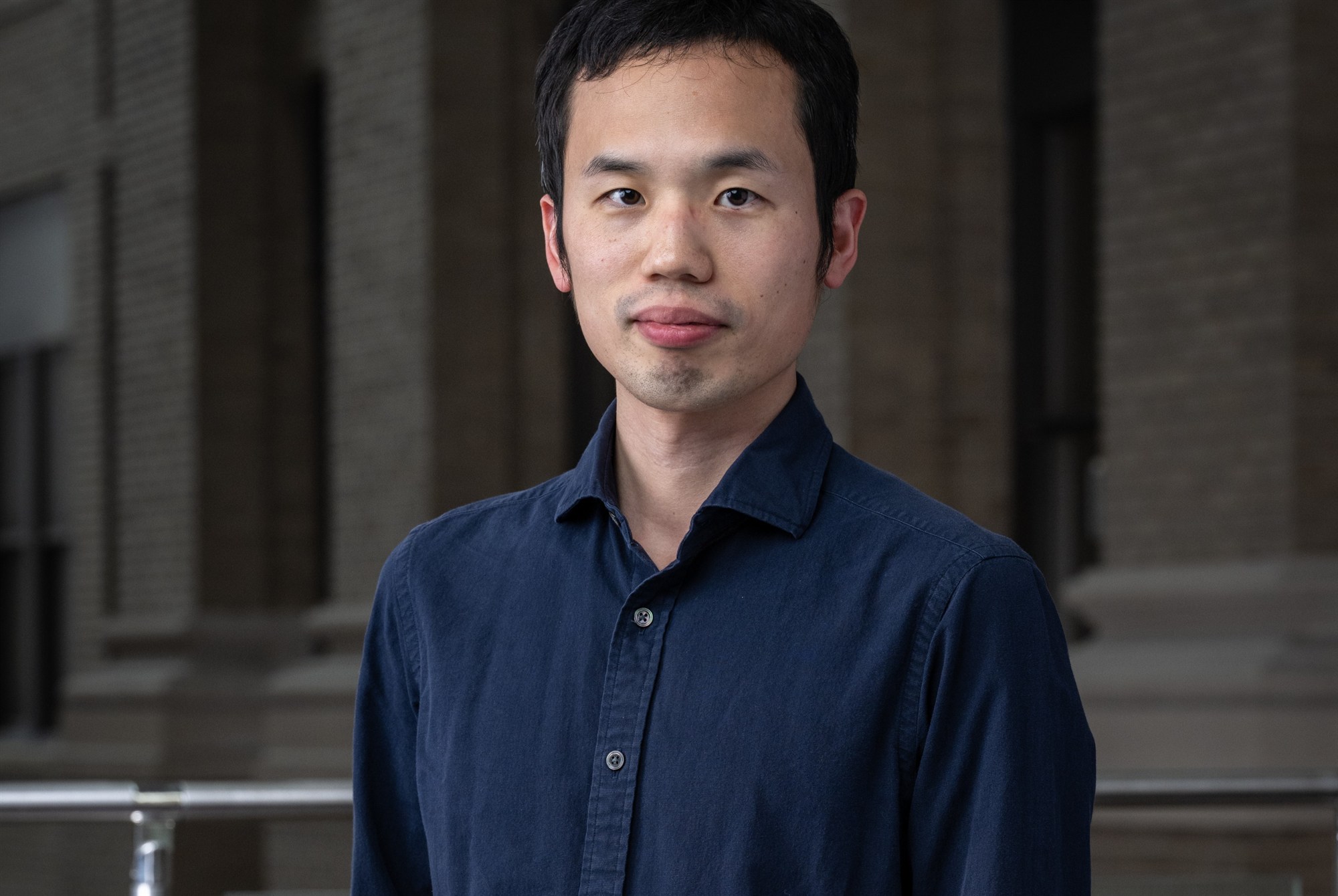
Kenji Matsui, MD, PhD – Ben J. Lipps Research Fellowship Awardee
Kenji Matsui, MD, PhD, a postdoctoral fellow in the Humphreys Laboratory, was awarded a Ben J. Lipps Research Fellowship for his project Elucidation of the Function of Failed‑repair Proximal Tubular Cells in the Transition from Acute Kidney Injury to Chronic Kidney Disease, which investigates why some injured kidney tubule cells fail to fully repair and instead contribute to the progression from acute kidney injury to chronic kidney disease.
“As a nephrologist, I have cared for patients who progressed to kidney failure despite our best available therapies. This experience made me want to understand the molecular mechanisms of kidney repair so that we can move beyond supportive care and develop targeted treatments.”
Dr. Matsui’s research centers on the molecular pathways that determine whether injured tubular cells recover normally or enter a persistent failed-repair state that promotes inflammation and fibrosis.
His project investigates the role of NFAT5, a stress-responsive transcription factor, in regulating failed-repair proximal tubular cells after kidney injury. By integrating genetically engineered mouse models with omics approaches, he aims to define how NFAT5 influences the development and function of these cells and to identify pathways that could be therapeutically targeted to improve kidney repair. His long-term goal is to develop strategies that reduce kidney fibrosis and prevent acute kidney injury from progressing to chronic kidney disease.
Regarding the KidneyCure grant funding, Matsui says:
“I would encourage fellow nephrology researchers to apply. The process itself helps clarify your scientific vision and long-term goals, and support from KidneyCure can be an important step toward building confidence and independence.”

Shivani Sharma, PhD — Ben J. Lipps Research Fellowship Awardee
Shivani Sharma, PhD, a postdoctoral research associate in the Gewin Laboratory, received a Ben J. Lipps Research Fellowship for her project Role of Mitochondrial Pyruvate Complex‑2 (MPC2) in Chronic Kidney Disease, which investigates how targeting mitochondrial metabolism may protect against chronic kidney disease (CKD).
Her work explores how inhibiting the mitochondrial pyruvate carrier can enhance mitophagy, improve mitochondrial quality control, and shift kidney metabolism back toward fatty acid oxidation — a metabolic program essential for healthy proximal tubule function.
With support from the fellowship, Sharma will use in vivo CKD models and in vitro proximal tubule systems to test whether MPC2 inhibition activates AMPK‑dependent mitophagy and shifts tubular cell metabolism away from glucose use and back toward fatty acid oxidation. Her studies integrate genetic and pharmacologic approaches with advanced metabolic and imaging techniques to determine how MPC inhibition preserves kidney function and reduces fibrosis.
Sharma believes this research will lead to new, safe treatments that slow or prevent chronic kidney disease progression by protecting kidney cells, reducing fibrosis, and preserving kidney function.
Regarding the KidneyCure grant funding, Sharma says:
“I would encourage others to apply because this funding provides not only critical research support, but also valuable opportunities for advanced training, mentorship, scientific networking, and career development that can significantly strengthen an early-career investigator’s path toward independence.”
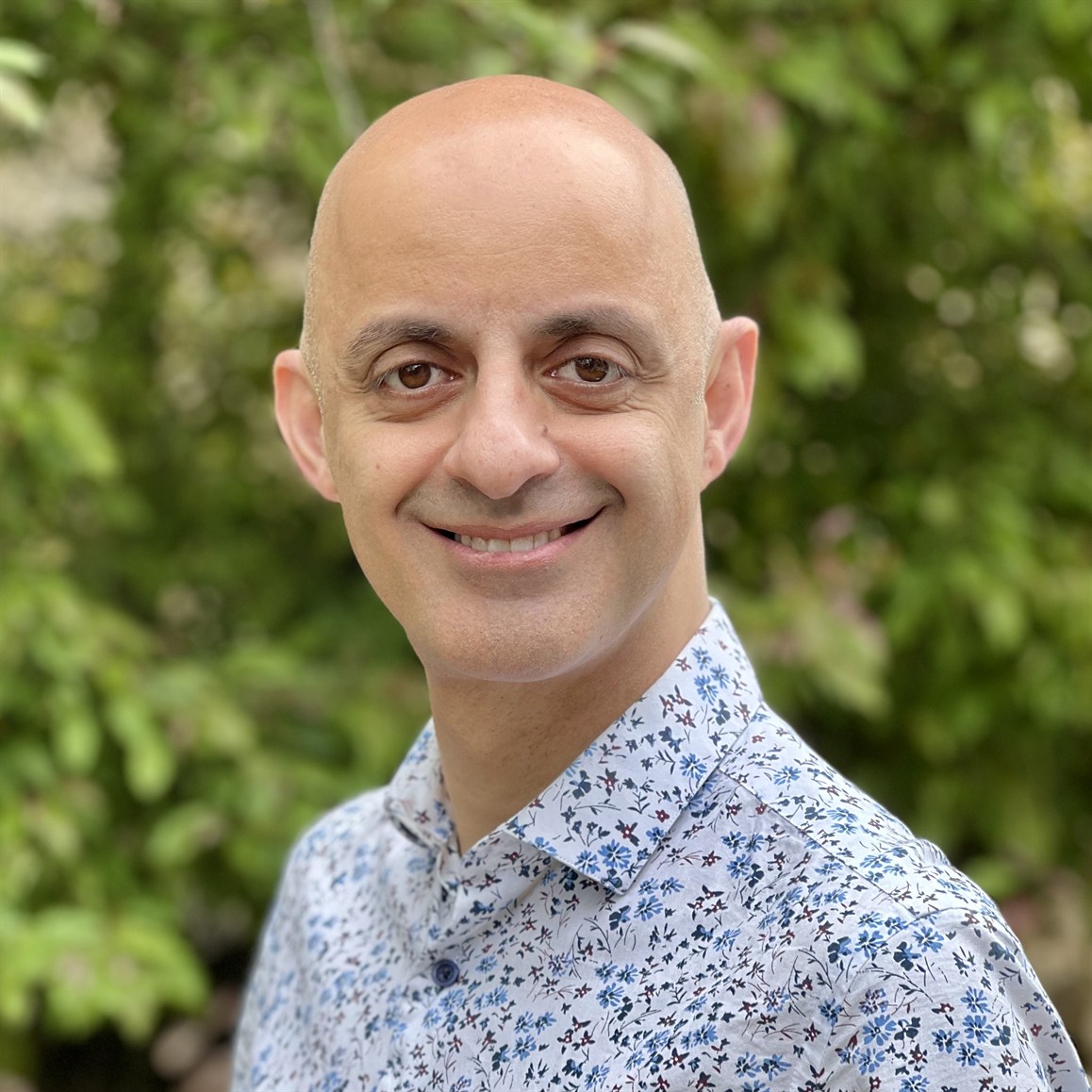
Moe R. Mahjoub, PhD – KidneyCure Bridge Grant Pilot Program Awardee
Moe R. Mahjoub, PhD, associate professor of medicine, received a KidneyCure Bridge Grant Pilot Program award for his work on nephronophthisis‑related renal ciliopathies (NPHP‑RC), a group of congenital kidney disorders caused in part by defects in the centrosome–cilium organelle complex. His research aims to move the field toward therapeutic development, an urgent priority given that no FDA‑approved treatments currently exist for these conditions.
Mahjoub’s lab has developed transgenic mouse models and patient‑derived kidney organoids to investigate how ciliary and centrosomal dysfunction drives early-onset cystic and fibrotic kidney disease. His team has identified several pathways that may contribute to disease progression, and the KidneyCure award will support comprehensive preclinical testing using genetic tools, repurposed drugs, and combination therapies.
“I have been interested in understanding the basic biology of cilia and centrosomes for most of my career – how they are built, how they function, and what happens when mutations impact these key cytoskeletal structures. Surprisingly, we still do not fully understand how defects in these organelles cause these renal disease syndromes, which is one major motivation for our research.”
Mahjoub believes this work will lay the foundation for targeted therapies that can eventually move into clinical trials.
“Funding from KidneyCure has been a massive help for those of us who received well-scored proposals at NIDDK, but have not received funding due to the current ongoing challenges at the NIH. It was critical for me to retain the postdoctoral scholar working on this project, and allow us time to develop this project further and resubmit our proposal.”
Explore the fascinating world of cilia on the Mahjoub Lab webpage, and follow him @mahjoublab.bsky.social on Bluesky and @MahjoubLab on X.